
August 3, 2001 · Moukhtara, Chouf
The Mountain Reconciliation
Musalahat al-Jabal
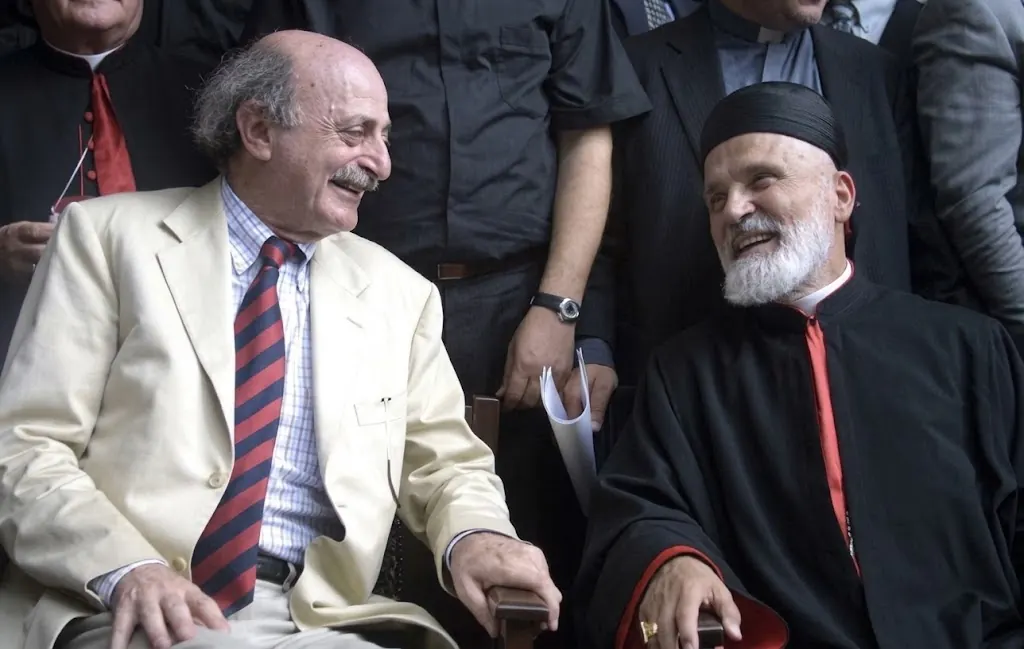
On August 3, 2001, Lebanon witnessed a historic milestone known as the Mountain Reconciliation (or Musalahat al-Jabal). Driven by Maronite Patriarch Nasrallah Boutros Sfeir and Druze leader Walid Jumblatt, head of the Progressive Socialist Party (PSP), this agreement marked a turning point in healing decades of sectarian wounds and reshaping Lebanon's modern political landscape.
Historical context
To understand the weight of the agreement, it is essential to look back at the 1983 Mountain War. Following the Israeli withdrawal from parts of Mount Lebanon, brutal fighting erupted primarily between Druze forces (led by the PSP) and Christian militias (such as the Lebanese Forces and Kataeb).
The conflict resulted in thousands of deaths and the mass displacement of tens of thousands of Christians from the Chouf and Aley districts. Although the 1989 Taif Agreement officially ended the Lebanese Civil War, the social and psychological scars of the Mountain War remained deeply unresolved. Displaced families were hesitant to return, and mutual distrust lingered.
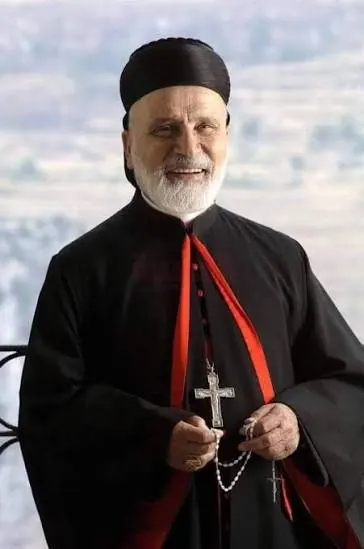
The historic visit
In the summer of 2001, Patriarch Sfeir embarked on a historic tour of Mount Lebanon, physically visiting former frontlines and villages that had seen the worst of the displacement. The culmination of this tour was his arrival at Moukhtara Palace — the ancestral home of the Jumblatt family.
The resulting meeting and widely publicized handshake between Patriarch Sfeir and Walid Jumblatt became an iconic image of post-war Lebanon. Instead of dwelling on collective blame, the two leaders chose to acknowledge the painful past while committing to a future of coexistence, mutual respect, and peace.
Impact and legacy
The Mountain Reconciliation went far beyond a symbolic handshake between religious and political figures. It achieved several crucial outcomes:
- Social restoration
- It provided the necessary political and social cover for displaced Christian families to safely and confidently return to their homes in the Chouf and Aley regions.
- A united political front
- By healing the rift between the Druze and Christian communities, it stripped away the argument that Lebanon was too fragile and divided to govern itself.
- Paving the way for independence
- The new alliance between Sfeir, Jumblatt, and various Christian opposition groups created a unified front advocating for Lebanese sovereignty. This coalition heavily influenced the momentum that eventually led to the 2005 Cedar Revolution and the subsequent withdrawal of Syrian forces from Lebanon.
Ultimately, the peace agreement demonstrated that genuine reconciliation required courageous leadership and an active, tangible commitment to bridging deep-seated divides.