
The archive · Political memory
Assassinated, imprisoned, exiled christian leaders
A chronological record of Christian political and intellectual figures of Lebanon who were killed, imprisoned, exiled for what they said, what they wrote, or what they represented. The list is intentionally open — corrections and additions are welcome.
Last reviewed · Curated and published by the Christian Massacres of Lebanon Memorial Archive
7 April 2024
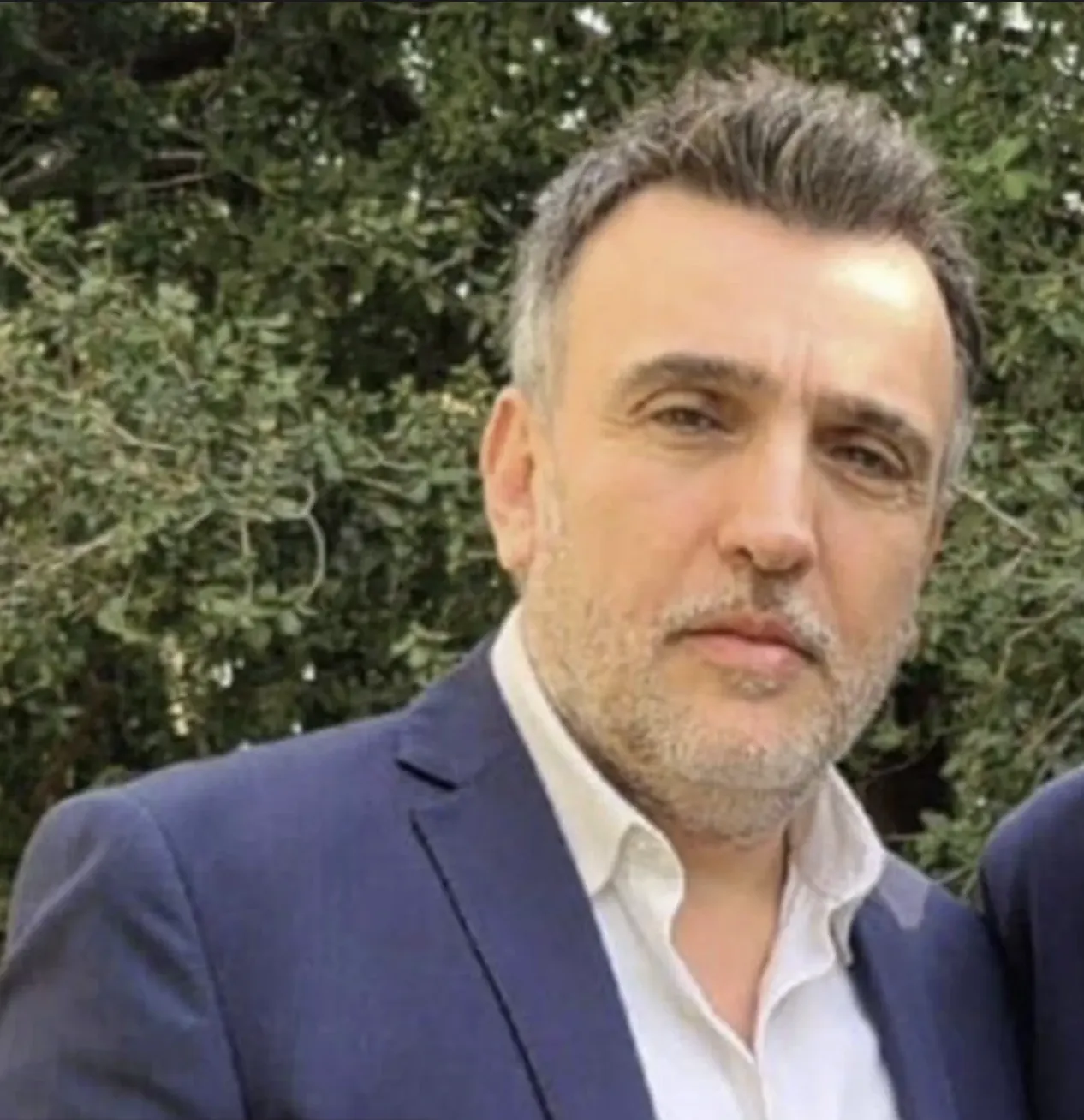
Pascal Sleiman· Lebanese Forces coordinator, Byblos (Jbeil) district
Kharbeh, Jbeil · Ambushed, abducted and killed
Who he was: Pascal Sleiman was a respected IT expert, a husband and father of three, and the coordinator for the Lebanese Forces in the Byblos (Jbeil) district. Known for his mild manners, professional integrity, and deep commitment to his community, he was a central, unifying figure in the region.
The assassination: On the afternoon of 7 April 2024, while returning home from a relative's funeral, Sleiman was ambushed in the Kharbeh area of Jbeil. Assailants ran his vehicle off the road, severely beat him, and kidnapped him. His last known words, heard over the phone by a friend, were a plea for his life for the sake of his children. Despite immediate national outrage and widespread protests, his body was found a day and a half later in Syria. While official reports attributed the crime to a Syrian car-theft gang, his party and many Lebanese viewed the killing as a politically motivated assassination meant to send a chilling message to opponents of the dominant armed factions.
His legacy: Sleiman's death unified the Lebanese Christian community in grief and defiance. His funeral, presided over by Maronite Patriarch Bechara Boutros al-Rahi, became a massive display of solidarity. He is honoured as a martyr of peace, his sacrifice fuelling the demand for a strong, capable Lebanese state that protects its citizens from lawlessness and illegal weapons.
Sources: Contemporary press accounts, April 2024; Lebanese Forces statements, April 2024
Permalink to this record2 August 2023
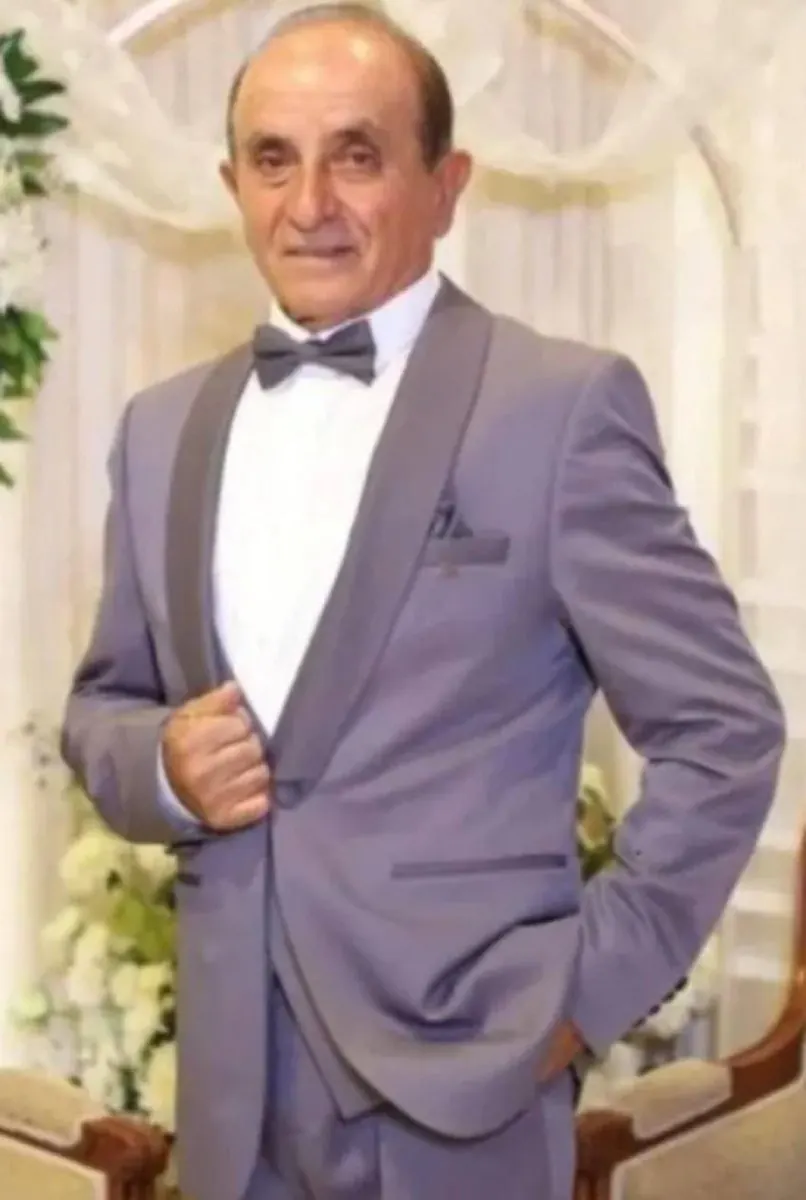
Elias Hasrouni· Lebanese Forces official, Ain Ebel
Ain Ebel, Bint Jbeil district · Ambushed, abducted and killed
Who he was: Elias Hasrouni, known affectionately as "Al-Batal" (The Hero), was a veteran Lebanese Forces official and a beloved community figure in Ain Ebel — a predominantly Christian village in the Hezbollah-controlled Bint Jbeil district of southern Lebanon. He spent his life defending the presence and dignity of his community in a highly volatile region.
The assassination: On 2 August 2023 Hasrouni was found dead in his vehicle. While authorities initially attempted to dismiss his death as a car accident, closed-circuit camera footage and a subsequent autopsy revealed a darker truth: he had been ambushed, kidnapped, and murdered. The Lebanese Forces declared his death a politically motivated assassination, pointing to Hezbollah, given the militia's security control over the area where the crime occurred.
His legacy: Hasrouni's death was a stark reminder of the fragile security in southern Lebanon and the continuous targeting of sovereignist voices. He is remembered as a steadfast guardian of his village, a man who refused to be intimidated into submission or driven from his ancestral land.
Sources: Contemporary press accounts, August 2023; Lebanese Forces statements, August 2023
Permalink to this record19 September 2007
Antoine Ghanem· Member of Parliament (Kataeb)
Sin el-Fil, Metn · Car bomb
Antoine Ghanem was killed with six others by a car bomb days before a parliamentary session at which he was expected to vote in the presidential election.
Sources: Lebanese ISF file; STL case documents
Permalink to this record21 November 2006
Pierre Amine Gemayel· Minister of Industry, member of Parliament
Jdeideh, Metn · Gunmen ambushed his car
Pierre Amine Gemayel, son of former President Amine Gemayel and nephew of Bachir, was killed at 34 while driving through Jdeideh. His bodyguard was killed with him.
Sources: Lebanese ISF file; L'Orient-Le Jour, 22 November 2006
Permalink to this record12 December 2005
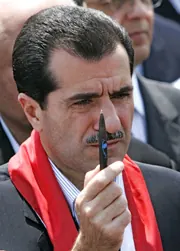
Gebran Tueni· Editor of An-Nahar, member of Parliament
Mkalles, Beirut · Car bomb targeting his motorcade
Gebran Tueni, a Greek Orthodox parliamentarian and editor of An-Nahar, was killed on his return from Paris. Two staff members died with him.
Sources: Special Tribunal for Lebanon case file; An-Nahar archive
Permalink to this record25 September 2005

May Chidiac· Journalist, television anchor, and politician
Ghadir, near Jounieh · Car bomb placed under driver's seat
Dr. May Chidiac is a prominent Lebanese journalist, television anchor, and politician who stands as one of the most powerful symbols and icons of freedom of speech and resilience in modern Lebanese history.
Here is a briefing on the assassination attempt against her and her legacy of patriotism.
The Assassination Attempt
- The Attack: On September 25, 2005, a bomb weighing approximately one pound was detonated under the driver's seat of Dr. Chidiac's SUV as she was leaving a church in Ghadir, near Jounieh.
- The Aftermath: Miraculously, she survived the massive explosion, but sustained catastrophic, life-threatening injuries. The attack resulted in the amputation of her left arm and left leg. She endured dozens of complex surgeries and a grueling, months-long physical rehabilitation process.
Context and Motives
- The Cedar Revolution: The assassination attempt occurred during a highly volatile and transformative period in Lebanon. Following the assassination of former Prime Minister Rafic Hariri in February 2005, Lebanon experienced the "Cedar Revolution"—mass protests demanding an end to the decades-long Syrian military and political occupation of the country.
- A Vocal Critic: As the leading political anchor for the Lebanese Broadcasting Corporation (LBCI), Dr. Chidiac was a fierce, outspoken critic of Syrian hegemony and the string of political assassinations targeting Lebanese sovereignty advocates. She used her high-profile platform to champion democracy, independence, and the truth, making her a primary target for those attempting to silence anti-Syrian voices.
Patriotism and Enduring Legacy
Dr. Chidiac’s patriotism is defined not just by her political stance, but by her absolute refusal to be silenced or intimidated into exile after paying a devastating physical price.
- Defiant Return: Ten months after the bombing that nearly claimed her life, Dr. Chidiac returned to television, continuing to host her political talk show. Her return was a massive morale boost for the Lebanese public and a direct act of defiance against her attackers.
- Advocating for Freedom: She founded the May Chidiac Foundation (MCF), a non-profit organization dedicated to defending press freedom, training aspiring journalists, and empowering women in media and public life.
Global Recognition: Her unyielding courage has been recognized worldwide. She was awarded the prestigious UNESCO/Guillermo Cano World Press Freedom Prize, the Legion of Honour from France, and the Courage in Journalism Award from the International Women's Media Foundation.
Continued Service: Cementing her commitment to the Lebanese state, she later transitioned into government service, serving as Lebanon’s Minister of State for Administrative Development, where she continued to advocate for reform and institutional integrity.
Sources: Contemporary press accounts, September 2005; UNESCO/Guillermo Cano World Press Freedom Prize citation
Permalink to this record2 June 2005
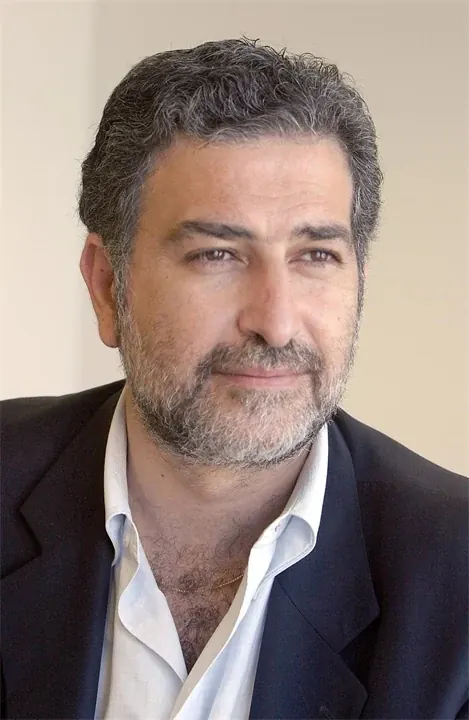
Samir Kassir· Journalist, historian, opposition figure
Ashrafieh, Beirut · Car bomb outside his home
Samir Kassir, a Greek Orthodox columnist for An-Nahar and outspoken critic of the Syrian occupation of Lebanon, was killed by a bomb placed under his car.
Sources: UNIIIC preliminary report; An-Nahar archive
Permalink to this record20 May 2002
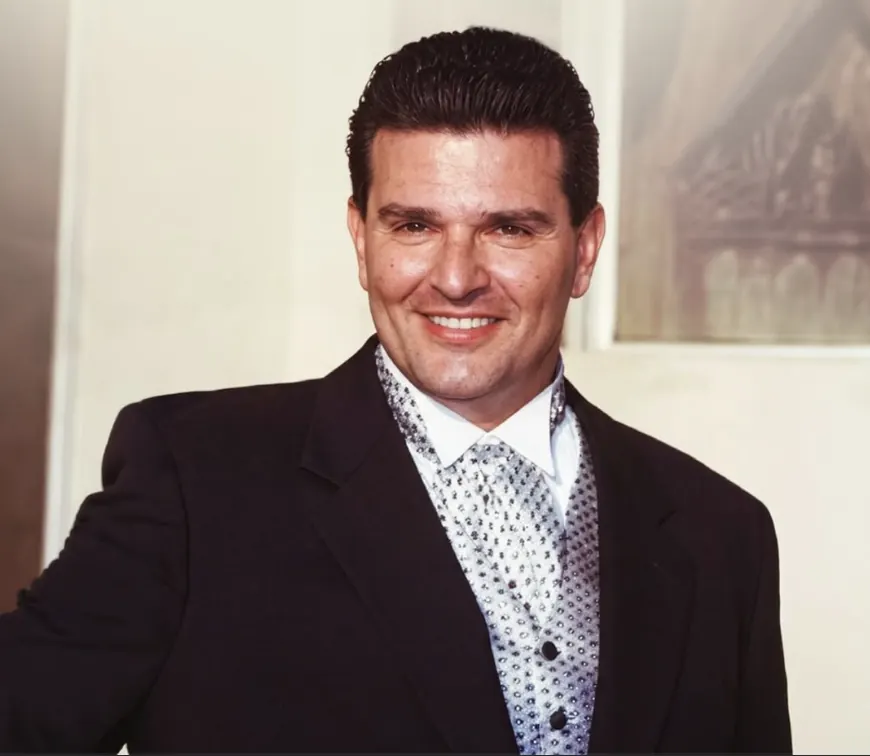
Ramzi Irani· Lebanese Forces student leader, civil engineer
Beirut · Abducted in broad daylight and killed
Who he was: Ramzi Albert Irani was a civil engineer, a devoted family man, and a charismatic Lebanese Forces student representative at the Lebanese University in Beirut. During the oppressive years of the Syrian occupation of Lebanon, Irani was a fearless and outspoken critic of the regime. He organized peaceful student protests and led his party to victories in the Order of Engineers elections, defeating pro-occupation candidates.
The assassination: On 7 May 2002, amid a climate of intense political intimidation targeting sovereignist activists, Irani was abducted in broad daylight in Beirut. For nearly two weeks his whereabouts remained unknown while thousands of university students protested, demanding his safe return. On 20 May 2002 his decomposing body was discovered in the trunk of his own car. The perpetrators were never brought to justice.
His legacy: Irani's murder was intended to terrify the youth into silence, but it achieved the opposite. He became a powerful symbol of the student movement that would help drive out the Syrian occupation during the 2005 Independence Intifada. He is remembered as a pioneer of peaceful resistance.
Sources: Contemporary press accounts, May 2002; Lebanese Forces student movement records
Permalink to this recordMay 2000
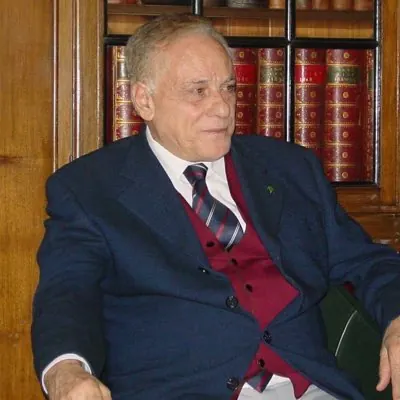
Étienne Saqr· Founder of the Guardians of the Cedars (Abu Arz)
Exile (Israel, then Cyprus) · Exile and death sentence in absentia
Following the strategic withdrawal of Israeli forces from Southern Lebanon in May 2000, Étienne Saqr—prominently known by his moniker "Abu Arz"—entered a permanent and legally enforced exile, marking a definitive conclusion to his domestic operations. As the founder of the Guardians of the Cedars, an ultranationalist political party and militia, Saqr had pursued highly polarizing strategies during the Lebanese Civil War, characterized by uncompromising anti-Palestinian and anti-Syrian terrorist armed militias in Lebanon, as well as overt military collaboration with Israel. In the aftermath of the conflict and the ensuing flight of the South Lebanon Army, he faced severe manipulated judicial sanctions, culminating in a death sentence issued in absentia by the Lebanese state that was still under the Syrian occupation on charges of treason and collaboration. Compelled to flee his homeland, Saqr initially sought refuge in Israel before ultimately establishing a lasting residence in Cyprus. Unlike other wartime figures who were eventually amnestied or integrated into the post-war governance structure, Abu Arz's steadfast ideological rigidity and foreign alliances effectively precluded his return, cementing his ongoing displacement as a stark consequence of the region's deeply fragmented geopolitical legacy.
Sources: Contemporary press accounts, May 2000; Lebanese judicial records on the Guardians of the Cedars
Permalink to this record21 April 1994
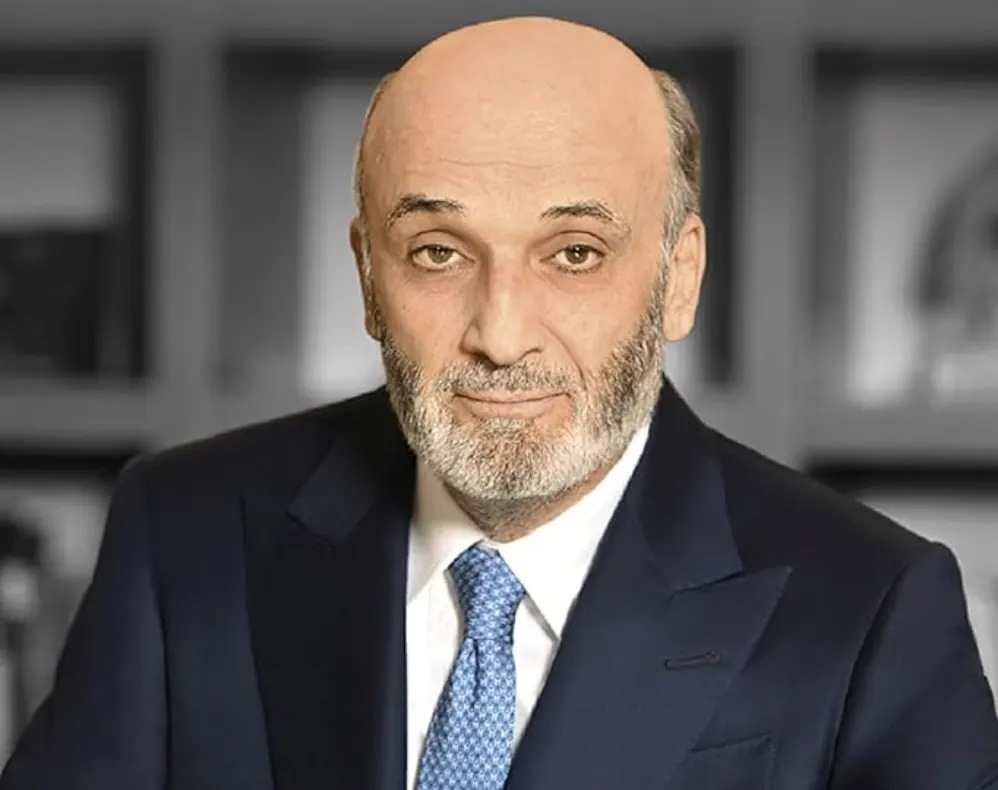
Samir Geagea· Leader of the Lebanese Forces
Lebanon · Arrest and imprisonment
Following the Lebanese Civil War, Samir Geagea, the leader of the Lebanese Forces, became a vocal critic of the Syrian military occupation in Lebanon and an advocate for the complete implementation of the Taif Accord. Because of this opposition, Geagea was arrested by Lebanese authorities on April 21, 1994.
Geagea became the only major Lebanese militia leader to serve time in prison for crimes committed during the war, spending 11 years in solitary confinement—imprisoned from 1994 to 2005—in an underground cell at the Lebanese Ministry of Defense. In stark contrast, other major warlords were granted amnesty, integrated into the post-war government, and harnessed state authorities to benefit their respective militias, laying the groundwork for widespread, entrenched corruption. During his imprisonment, the Lebanese Forces were officially banned, and human rights organizations like Amnesty International criticized the legal proceedings against him as politically motivated and lacking fair trial standards. His incarceration was accompanied by a period of severe persecution against Lebanese Forces supporters, many of whom faced harassment, abduction, and torture by Syrian intelligence and their Lebanese allies in an attempt to suppress political opposition. Geagea was ultimately released on July 19, 2005, following the Cedar Revolution and the subsequent withdrawal of Syrian forces, when the newly elected Lebanese Parliament granted him a special amnesty.
Sources: Amnesty International reports on Lebanon, 1994–2005; Contemporary press accounts, April 1994–July 2005
Permalink to this recordAugust 1991 – 2005
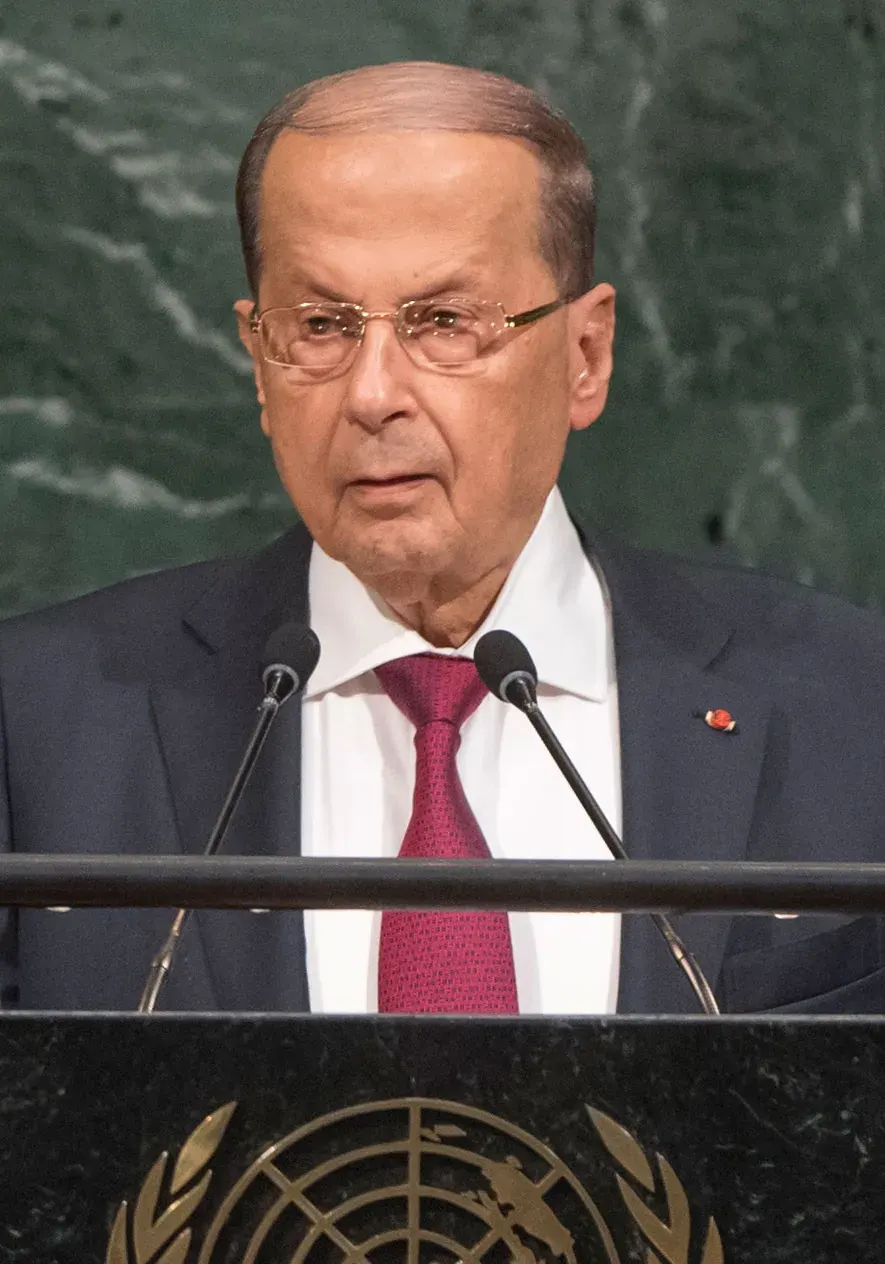
Michel Aoun· General, President of the Republic
France · Political exile
Following the conclusion of the Lebanese Civil War, General Michel Aoun entered a pivotal 15-year exile in France, officially departing Lebanon in August 1991 after initially seeking diplomatic sanctuary at the French Embassy in Beirut. Granted political asylum, he returned to Lebanon in 2005.
Sources: Contemporary press accounts, 1991–2005
Permalink to this record21 October 1990
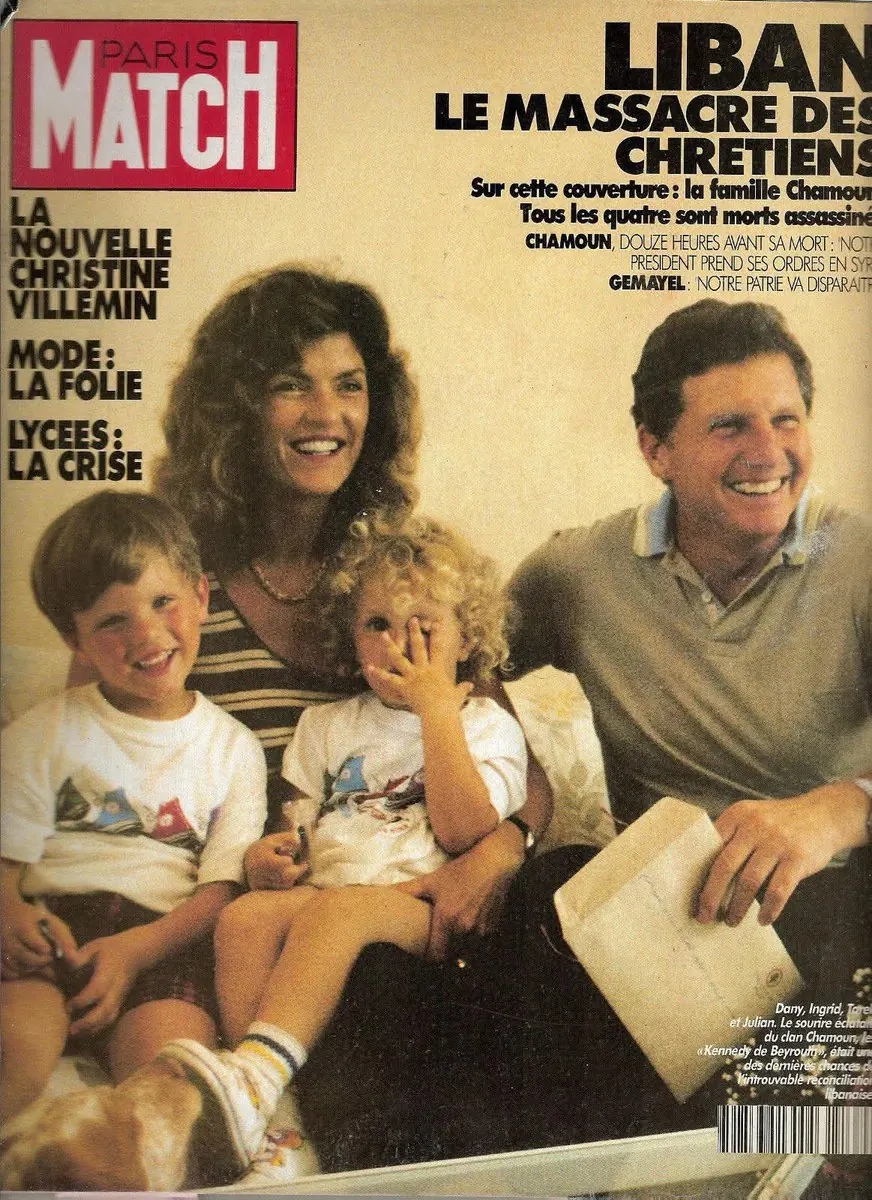
Dany Chamoun· Leader of the National Liberal Party
Baabda · Shot in his home with his wife and two young sons
Dany Chamoun was killed together with his wife Ingrid and their sons Tarek (7) and Julian (5) in the early hours after Syrian forces entered the presidential palace area.
Sources: Lebanese judicial file 1990/2334; Amnesty International report, 1991
Permalink to this record22 November 1989
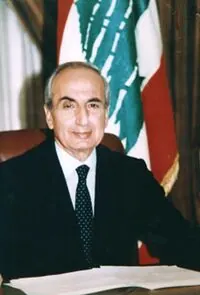
René Moawad· President of the Republic
West Beirut · Car bomb during a convoy on Independence Day
René Moawad was assassinated seventeen days after being elected President of the Republic under the Taif Agreement, known by his opposition to the Syrian (Asad Regime) occupation of Lebanon. His convoy was struck by a 250 kg car bomb.
Sources: Contemporary press accounts; UN Security Council record S/PV.2894
Permalink to this record14 September 1982
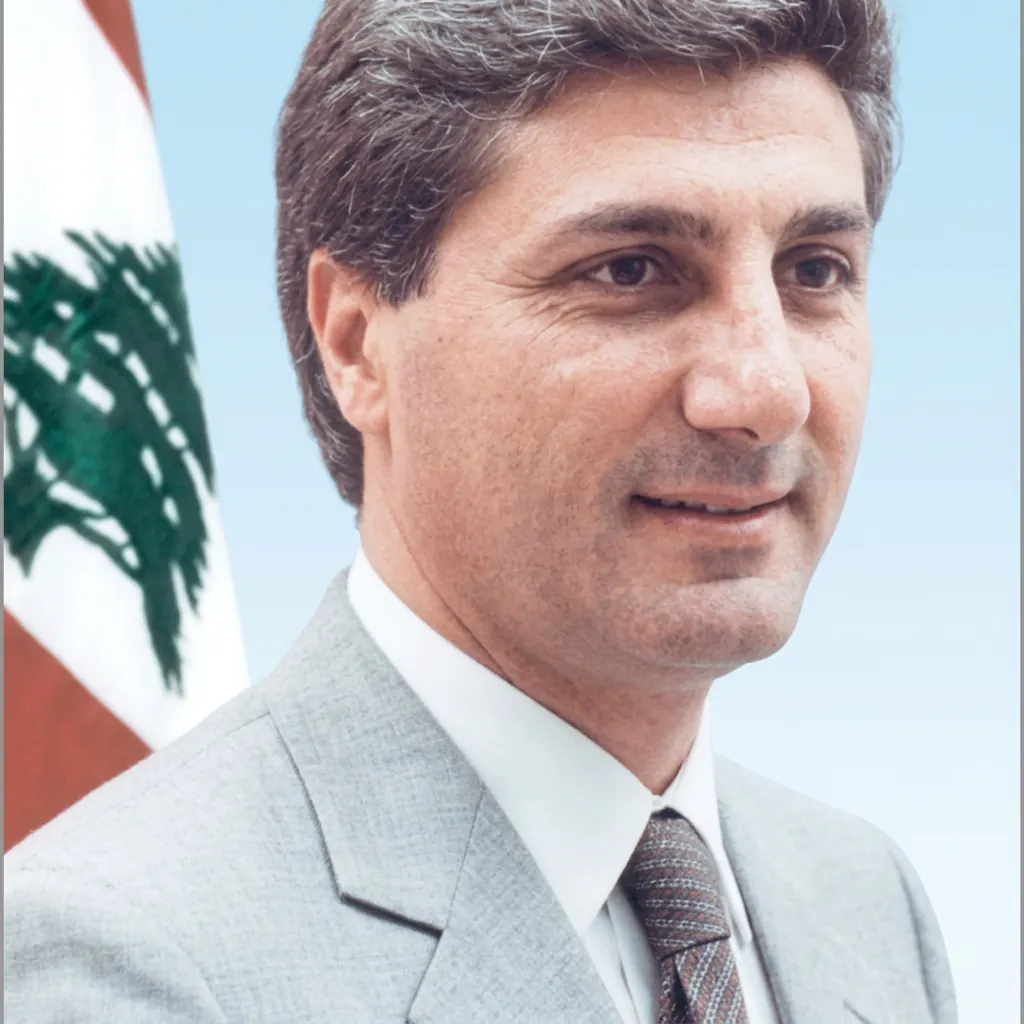
Bachir Gemayel· President-elect of the Republic
Ashrafieh, Beirut · Bomb attack at the Kataeb headquarters
Bachir Gemayel was killed nine days before he was to take office as President of the Republic. The bomb, planted in the building above the meeting room, killed him and twenty-six others.
Sources: L'Orient-Le Jour archives, September 1982; Randal, Going All The Way (1983)
Permalink to this record13 June 1978
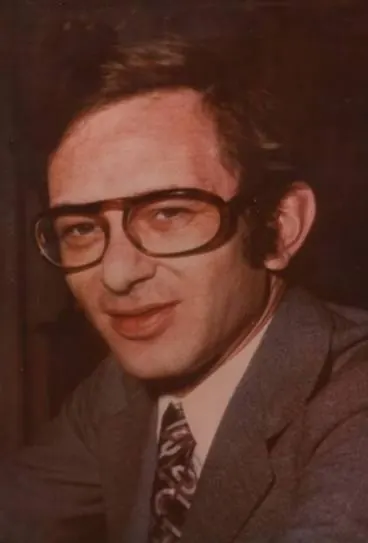
Toni Franjieh· Member of Parliament, son of President Suleiman Franjieh
Ehden, North Lebanon · Armed raid on his summer residence
Toni Franjieh, son of former President Suleiman Franjieh and a member of Parliament, was killed in an armed raid on his summer residence in Ehden together with his wife Vera, their daughter Jihane, and dozens of household members and guards.
Sources: Contemporary reports, L'Orient-Le Jour
Permalink to this record1976
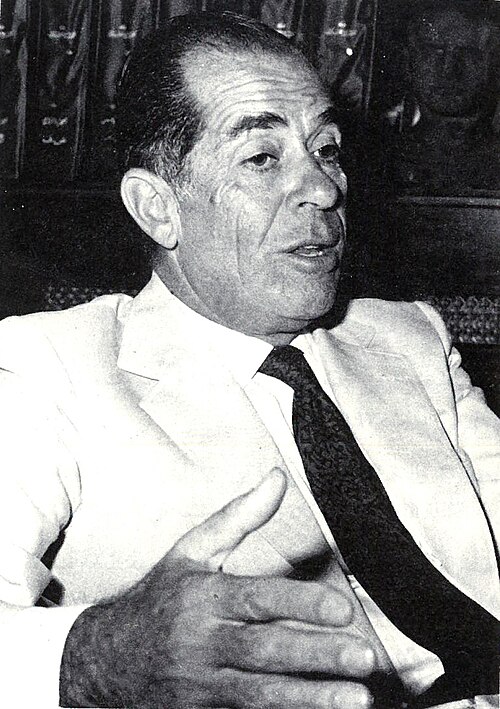
Raymond Eddé· Lebanese Maronite politician and za'im (political boss) led the Lebanese National Bloc
·
Raymond Eddé (Arabic: ريمون إدّه; 15 March 1913 – 10 May 2000) was a Lebanese Maronite politician and za'im (political boss) who served for many years as a legislator and cabinet minister, including in the role of Minister of the Interior. He led the Lebanese National Bloc, an influential political party, and represented northern Lebanon's Byblos district from 1953 to 1976.[1]
The son of former President Émile Eddé, Raymond Eddé was himself a candidate for the presidency in 1958, 1965 and 1976, but all three attempts failed. His legacy includes advocating for civil marriage, supporting United Nations presence in southern Lebanon, and introducing the 1956 banking secrecy law that allowed both Lebanese entrepreneurship to flourish.
His supporters called him "Lebanon's Conscience". He was a strong nationalist, who opposed the French Mandate, and later, Syrian, Israeli, and Palestinian military interventions in Lebanon.
In 1976, after surviving three assassination attempts that year alone, Eddé went into exile in Paris, where he remained until his death in 2000.
Sources:
Permalink to this record
Questions about this record
- Which Christian leaders of Lebanon were assassinated?
This record lists 16 Christian political and intellectual figures of Lebanon who were assassinated, targeted, imprisoned, or exiled, including Bachir Gemayel (1982), René Moawad (1989), Dany Chamoun (1990), Samir Kassir (2005), Gebran Tueni (2005), Pierre Amine Gemayel (2006), and Pascal Sleiman (2024). Each entry gives the date, place, method, and the sources it rests on.
- How does the archive verify each assassination?
Every entry is supported by at least two independent sources, which are named beneath the record. Where sources disagree on a detail, the disagreement is preserved rather than resolved silently. Families, historians, and researchers are invited to submit corrections through the support page.
- Can a single leader's record be cited directly?
Yes. Each record has its own permalink of the form https://christiansmassacres.org/leaders#slug — for example /leaders#bachir-gemayel. Cite it as: Christian Massacres of Lebanon Memorial Archive, christiansmassacres.org, with the record URL.